

Grade 9 · US · ~3 yrs
College math & AI/ML
Started at grade level; moved into calculus, vectors and probability, covered nearly all of AP Chemistry — and is now learning AI/ML in Python.

Parents bring us toppers — advanced classes, honors tracks, “very intelligent.” And in the first sessions we find, universally, the same thing: gaps in basic concepts at the child’s own grade level. The grades are real; the foundations aren’t. It is not the child’s fault — memorization bought the marks and quietly skipped the understanding. Finding those gaps and rebuilding the foundations is what we have done, successfully, for about a decade.
We only labor to stuff the memory, and leave the conscience and the understanding unfurnished and void.
— Michel de Montaigne
An intelligent student must be able to deal with concepts and problems they have not read before — with intuition, analysis and reasoning.
— the standard every Xcelvations class works to
Every concept is taught linked to the ones around it — the connections are the lesson. A student who holds the web of ideas doesn’t recall a fact; they re-create it. That is how the four refusals become possible.
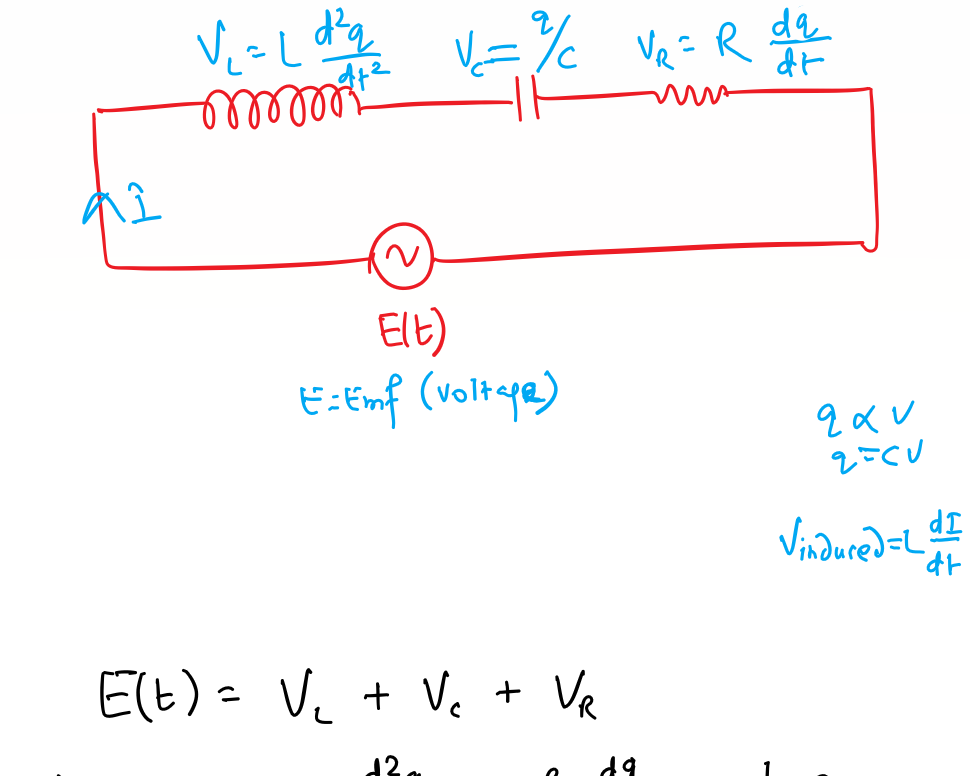
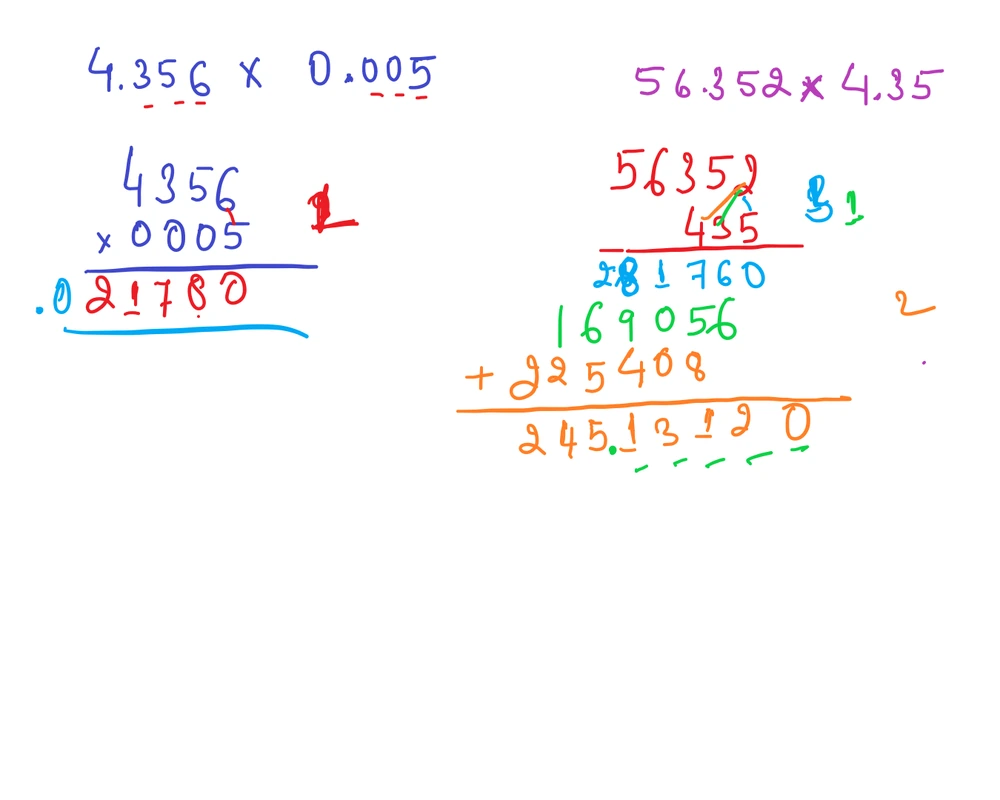
Every board is built to be read — one pen colour per idea, the final answer boxed, every step shown and every unit tracked. Nothing skipped, so nothing needs to be taken on faith.
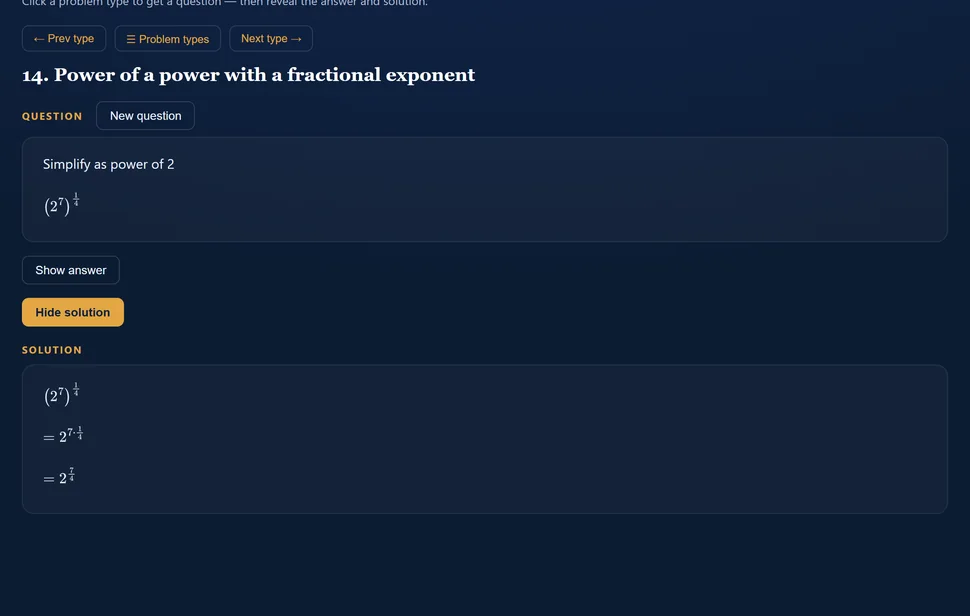
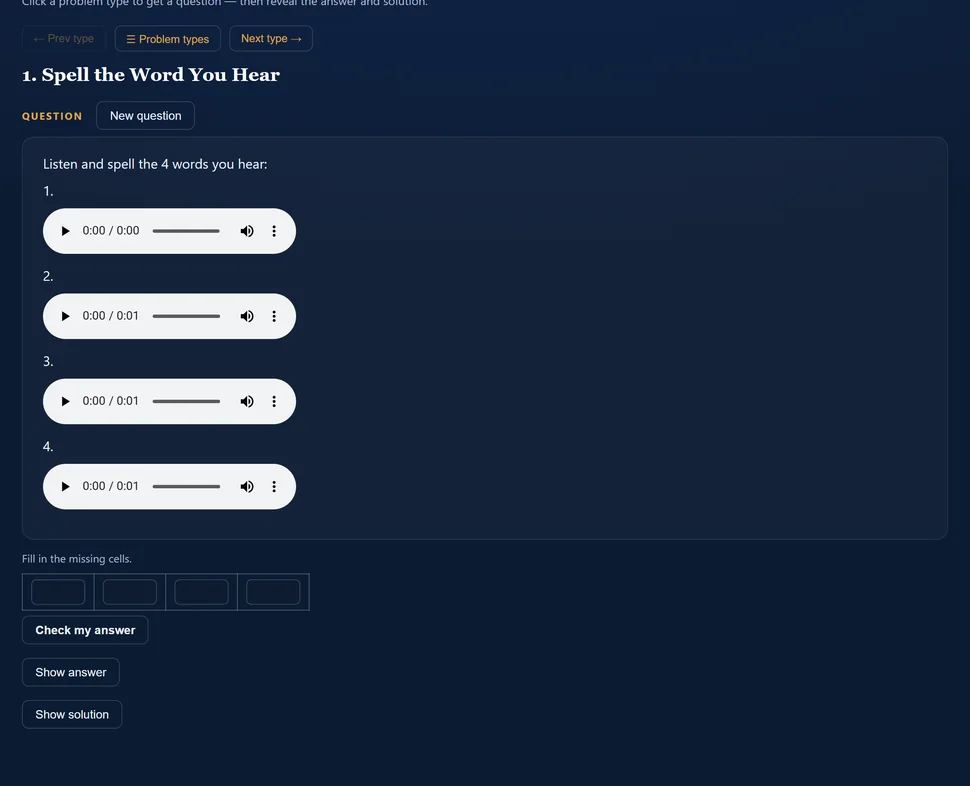
Understanding needs checking, not repetition — so our question engine generates fresh, unseen questions from the concepts themselves, each with a full worked solution. 340 distinct problem types across six subject areas today, from 145 in math (67 for differential equations alone) to 52 grammar concepts in English, growing every month as our ~1,150-notebook teaching library moves online. A question practically never repeats, and every one records its seed so it can be reproduced exactly for review. Nothing to cram — the only way through is understanding.
A fresh question appears — drawn from the concept, never from a fixed list. Memory alone cannot answer it.
A right answer here means the concept is working — there is no answer key to memorize.
Every step, explained — and the next question probes a little deeper.
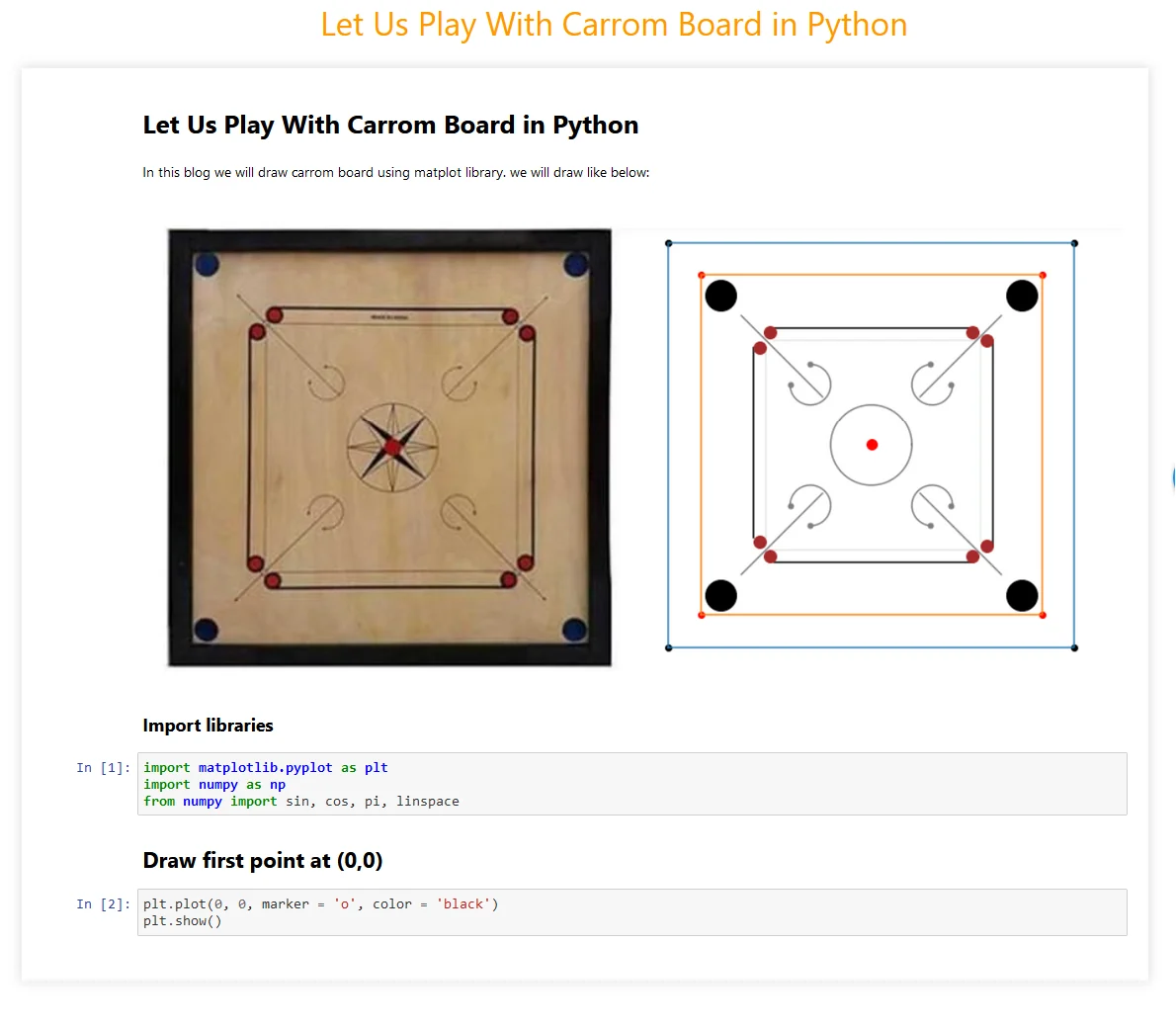
Programming is a language of communication — to visualize, to test “what if,” to explore advanced ideas early. No drag-and-drop, no copy-paste.

Knowledge Management is powerful software, but it doesn’t replace a teacher. We mentor while students learn to teach themselves.
Jokes read together, documentaries on quantum physics and the Space Shuttle, funny classes and cartoons — that is how analytical thinking and confidence get built. One hour in which a child reasons is worth an evening in which they copy: that is why no long hours are needed, and why the evenings stay theirs.
Compare the standard path with what our students typically do. Not a guarantee — a pattern, drawn from our anonymized case studies.
The standard path: this year’s syllabus, chapter by chapter — next year, the next chapter.
With XV: foundations first, then onward. Students who stay a few years typically work a couple of grades above school level.
The standard path: Olympiads and contests mean separate coaching, added late and in a hurry.
With XV: Olympiad- and AoPS-style problem work is part of regular classes from the start, and spelling is taught the way everything else is — audio-led rounds built on sound patterns and word families, not word lists — real Spelling-Bee footing with nothing memorized.
The standard path: SAT, JEE or NEET preparation compressed into one frantic final year.
With XV: the same ladder builds exam readiness years early — SAT-level math and writing, JEE/NEET foundations. By exam season it’s revision, not rescue.
Join in grade 6, and by grade 10 a student on this ladder is typically about two years ahead — SAT-ready at the 1550+ level, or three-quarters of the way through the JEE syllabus — entering the exact years when merit aid and best-college admissions are decided.
Arithmetic, not a promise. See the full arithmetic — or check it against the case studies.
These are not outliers we cherry-picked — it is a typical story of the students learning with us.
Started at grade level; moved into calculus, vectors and probability, covered nearly all of AP Chemistry — and is now learning AI/ML in Python.
English was his weakness — not anymore. He now reads Sherlock Holmes for fun and thrives in grade 9–10 batches.
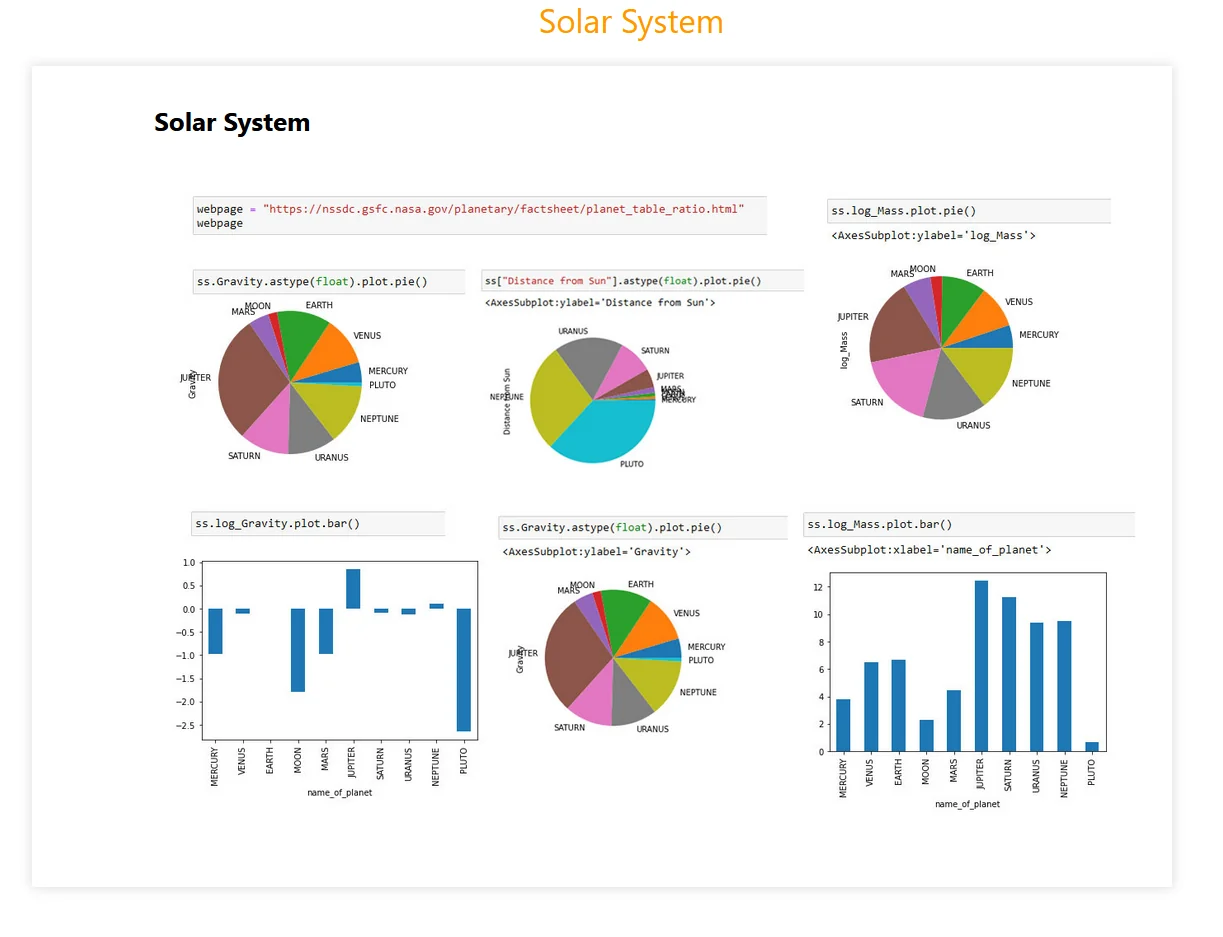
Joined unable to count backward; a year on, she writes her own Python plots and works through our arithmetic engine — every problem fully explained.
No qualification test, no prior programming, no prerequisite level — we start every learner at base zero.
Math, Science, English, Social Studies — plus SAT, Olympiads, and the Art of Problem Solving.
Advanced math and science, taught the same connected, concept-first way.
AI/ML and advanced topics — with the mathematics that makes them work, not just the code.
No — no test, no prior skill. Our grade-2 and grade-6 students started as typical learners.
Yes. Sessions are fully online and mentor-led; between sessions, the platform’s click-to-hear voice support lets even a pre-reader work on her own.
No practice does not mean no reinforcement — the platform checks understanding with fresh generated questions that practically never repeat, and marks typed or handwritten answers instantly. What slips is re-derived in minutes, not re-crammed for weeks — the full answer is in our FAQs.
Batches are 3–6, and time isn’t divided mechanically — the mentor engages each child by where their understanding is, and one student’s question becomes everyone’s lesson.
Start with a free conversation and a first session: see the method, meet the mentor, and learn — gently — where the foundations really stand. No qualification test, no programming required, no card.